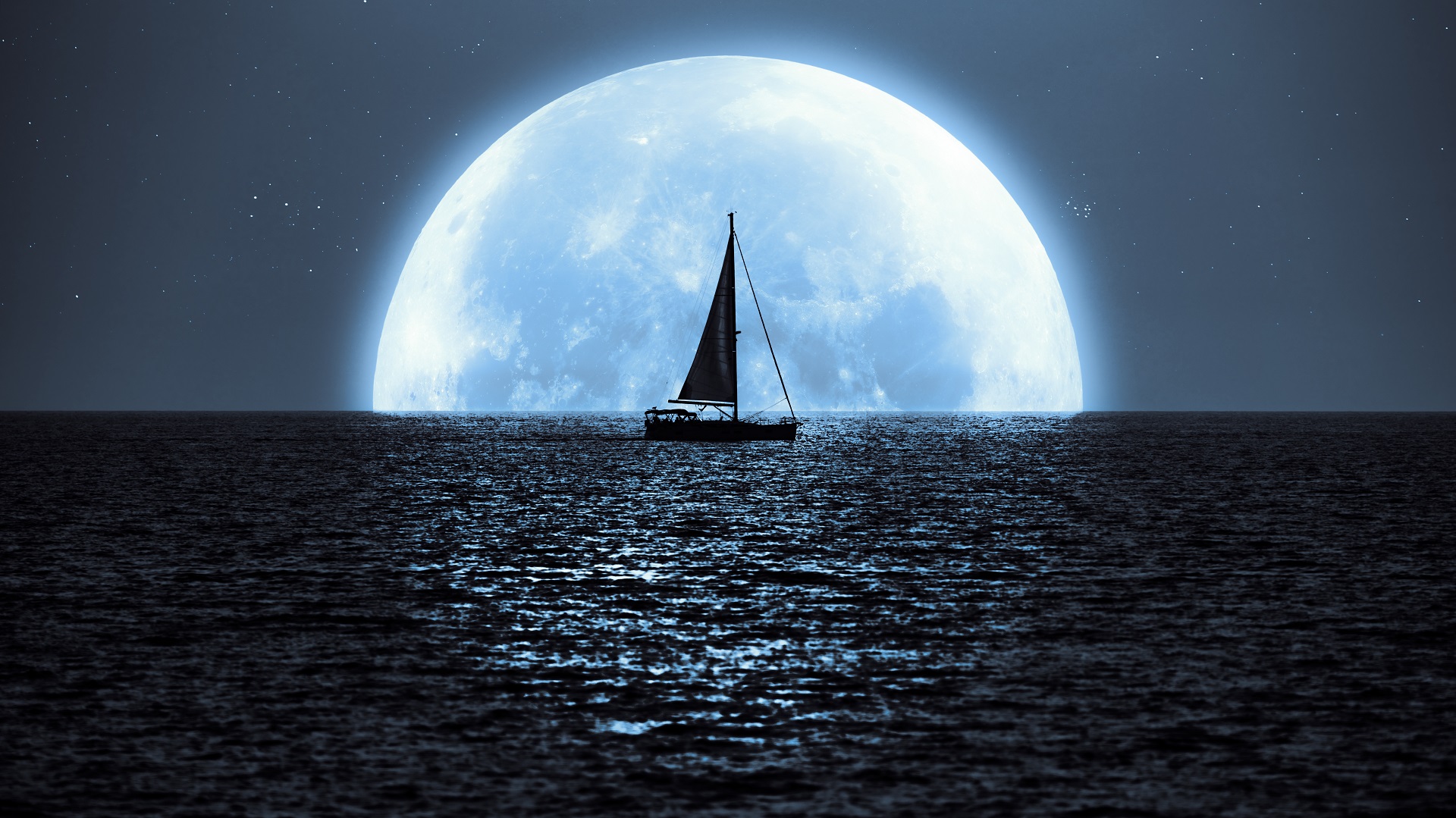
The Adriatic Sea is more than just crystal-clear water; it is a living storybook. For centuries, sailors have shared tales of mythical islands, pirate warnings, and civilizations lost beneath the waves.
Sailing from our base in Marina Zadar places you in the heart of Northern Dalmatia—a region woven with Adriatic myths and rich sailing history. Here, the line between legend and reality is beautifully blurred.
Here are the stories you can discover on your next charter.
The Legend of the Adriatic and Velebit
Before you set sail, look toward the majestic Velebit mountain. Legend says that long ago, a beautiful girl named Adriana fell into the sea to escape an evil sorcerer, transforming into the Adriatic itself. Her brother, Velebit, turned to stone to protect her, becoming the mountain range.
To this day, the connection remains: the fierce Bura wind is said to be the mountain clearing the sky to watch over his sister, while the blue waters reflect Adriana’s eyes. It is a reminder to every sailor to respect the bond between the mountain and the sea.
Toreta: The Pirate Watch of Kornat
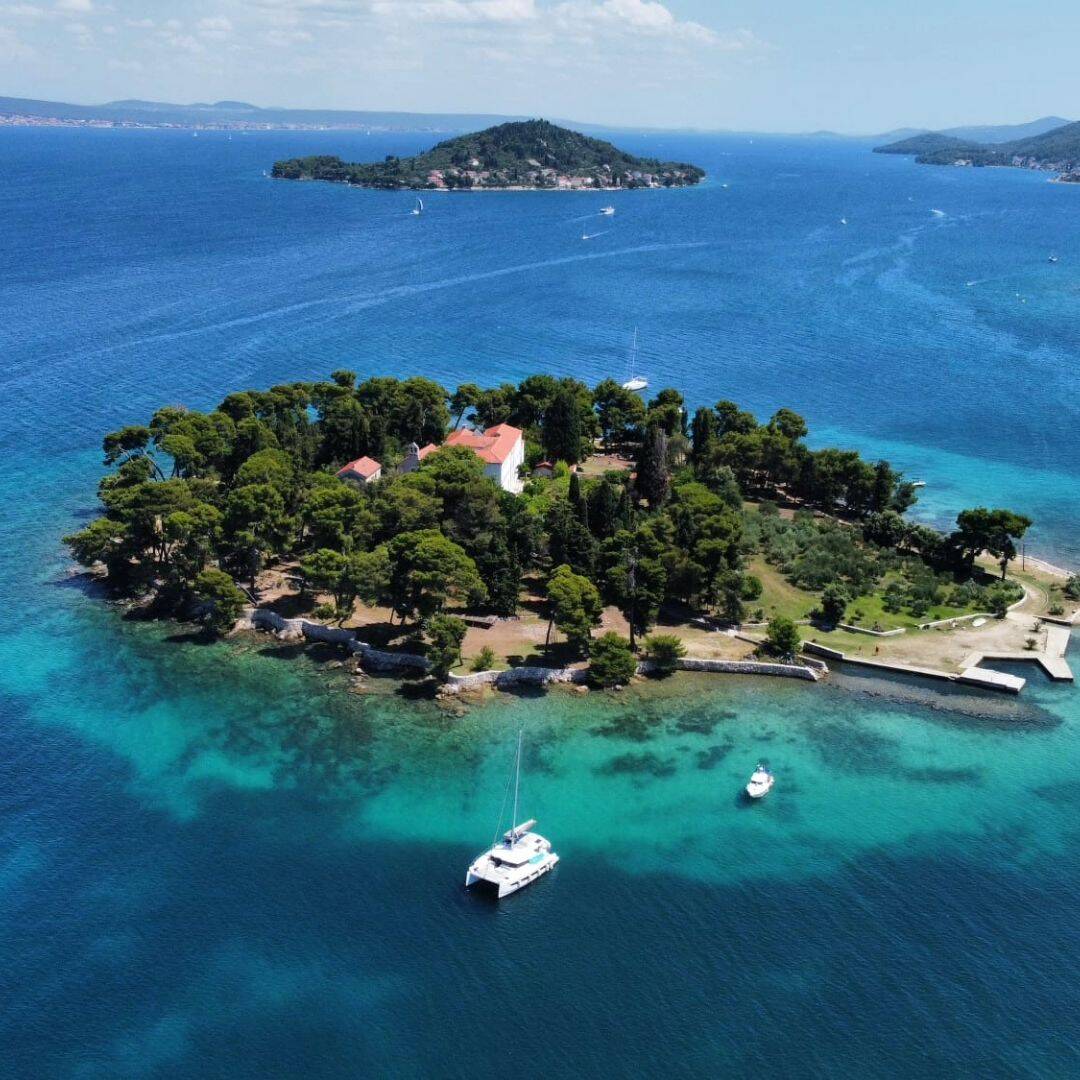
On the island of Kornat stands Toreta, a solitary Byzantine fortress. While beautiful today, it was once a desperate lifeline.
According to local legend, this was part of an ancient alarm system. When guards spotted suspicious ships on the horizon, they would light a fire at the top of the tower. Smoke and flames signaled villagers in hidden coves to retreat inland, protect their livestock, and prepare for danger. Long before radios or navigation technology, fire was the fastest form of communication. When you sail past Toreta today, you are looking at the same horizon the guards watched centuries ago—only now, the sails belong to peaceful explorers like you.
The Kornati: God’s Scattered Pearls
The most famous myth of the region explains the raw, stark beauty of the Kornati National Park.
George Bernard Shaw famously wrote, and locals retell: "On the last day of Creation, God desired to crown His work, and thus created the Kornati Islands out of tears, stars, and breath."
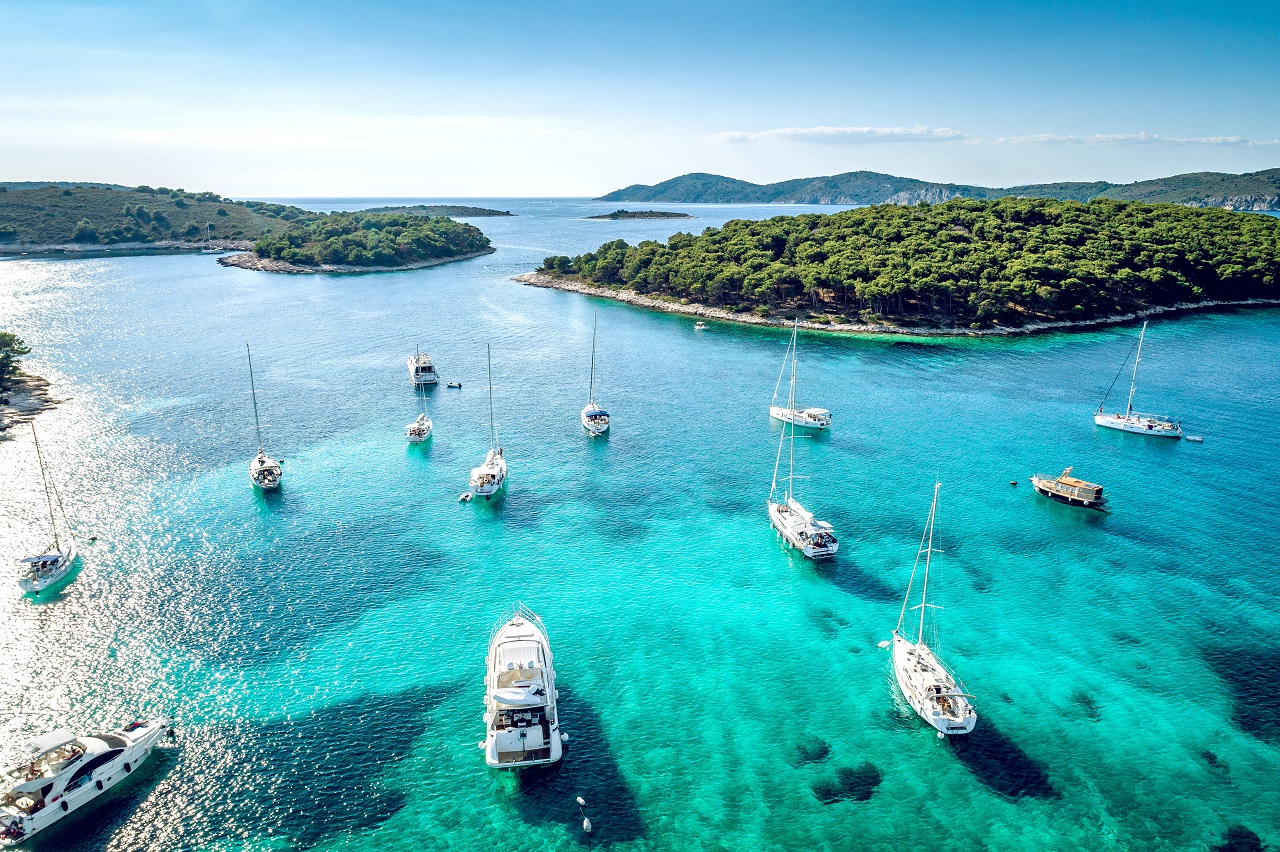
Another local legend says God had a handful of white pearls left after creating the world. He tossed them over his shoulder, and they became the islands. When He looked back, the beauty was so startling He decided not to change a thing.
Vela Ploča: The Fairies’ Dancefloor
Beneath the highest peak of Kornat lies Vela Ploča, a massive, smooth limestone plateau sliding into the sea.
While geologists say it is a landslide from 2,400 years ago, local lore disagrees. They call it the "Fairies’ Dancefloor," believing that fairies brought the stone here to dance upon it when the sea was restless. Another story claims it was meant to cover the Pula Arena, but slipped into the sea and drifted to Kornat.
Sailing past this strange geological formation, it is easy to believe the magic over the science.
Ghost Lights in the Labyrinth
For centuries, sailors navigating the narrow passages of the Kornati spoke of mysterious lights flickering between rocky silhouettes at night. Some believed they were ghost ships — spirits of lost seafarers guiding or misleading vessels through the labyrinth.
Even today, as the sun sets behind the cliffs and silence settles over the sea, the Kornati still feel timeless and slightly mysterious.
The Sunken City of Cissa near Pag
North of Zadar lies Pag — an island shaped by wind, salt, and stone. Beneath its waters, legend speaks of Cissa, a Roman settlement said to have sunk after a devastating earthquake in the 4th century.
Fishermen once claimed that, on exceptionally calm days, outlines of ancient walls could be glimpsed beneath the surface. Archaeological discoveries confirm Roman presence in the area, blending historical fact with maritime folklore.
Fjaka – The Myth Behind the Mediterranean Rhythm
Another enduring regional myth claims that Dalmatian people are lazy. The stereotype comes from the tradition of resting during the hottest hours of the day.
But this rhythm was simple wisdom.
Working on rocky islands under the summer sun is exhausting. For generations, islanders built dry-stone walls by hand, cultivated olives, tended vineyards, and lived from the sea. They worked early in the morning and late in the evening — and rested during peak heat.
This lifestyle shaped the concept of fjaka — not laziness, but a calm, mindful adaptation to climate and environment. Like sailing, fjaka is about reading nature and moving in harmony with it.
Legends Along the Coast
While northern Dalmatia holds powerful pirate and maritime legends, the southern Adriatic carries some of Croatia’s most famous mythological tales.
The lush island of Mljet is traditionally linked to Homer’s Odyssey. According to local belief, Mljet may have been the island of Ogygia where the nymph Calypso held Odysseus captive for seven years. Hidden sea caves, crystal-clear bays, and dense forests make it easy to imagine an ancient hero shipwrecked on its shores. Whether myth or maritime imagination, the story connects the Adriatic to one of the world’s greatest seafaring epics.
Further south, near Dubrovnik, lies the island of Lokrum — known for its Benedictine monastery ruins and one of the Adriatic’s most enduring legends. According to folklore, monks who were forced to leave the island in the 18th century placed a curse upon it, declaring that anyone who claimed Lokrum for personal gain would face misfortune. Over the centuries, several owners allegedly met tragic fates, strengthening the story.
Sail Through Adriatic Myths with Bruneko
From dancing fairies to sunken Roman cities, the Adriatic is a remarkable blend of myth and maritime history.
With Bruneko Yacht Charter, you are starting from the heart of these legends. In just a few hours of sailing, you can reach the "scattered pearls" of the Kornati National Park, the dramatic shores of Pag, and quiet anchorages where history feels alive at sunset.
The sea here is calm and inviting—but beneath the surface, it is full of stories.
Set sail from Zadar and write your own chapter.